
Spice & Herbal Garden Visit
See, Smell and Discover Sri Lanka’s Spices and Traditional Herbs
Sri Lanka has been known for its spices for centuries. A visit to a nearby spice and herbal garden offers an easy introduction to plants such as cinnamon, pepper, cardamom, nutmeg and traditional herbs — all growing within one compact garden. The exact garden may vary, and a guide from the garden leads the tour while a BBC team member accompanies you throughout the excursion.
What You Will Experience
After a short drive from BBC, you enter a visitor-oriented spice and herbal garden where many of Sri Lanka’s best-known plants can be seen growing side by side.
A local garden guide walks you through the grounds and explains how different spices and herbs grow, which parts of the plants are used and how they are prepared for cooking, aromatic oils or traditional herbal products.
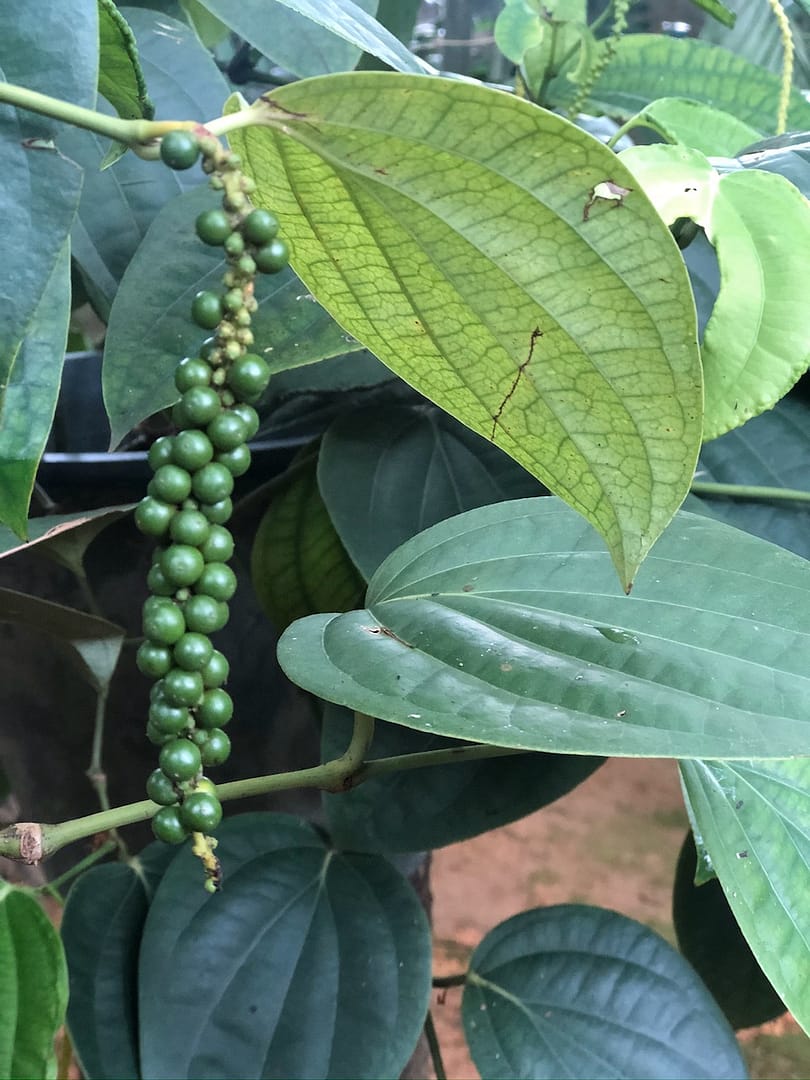
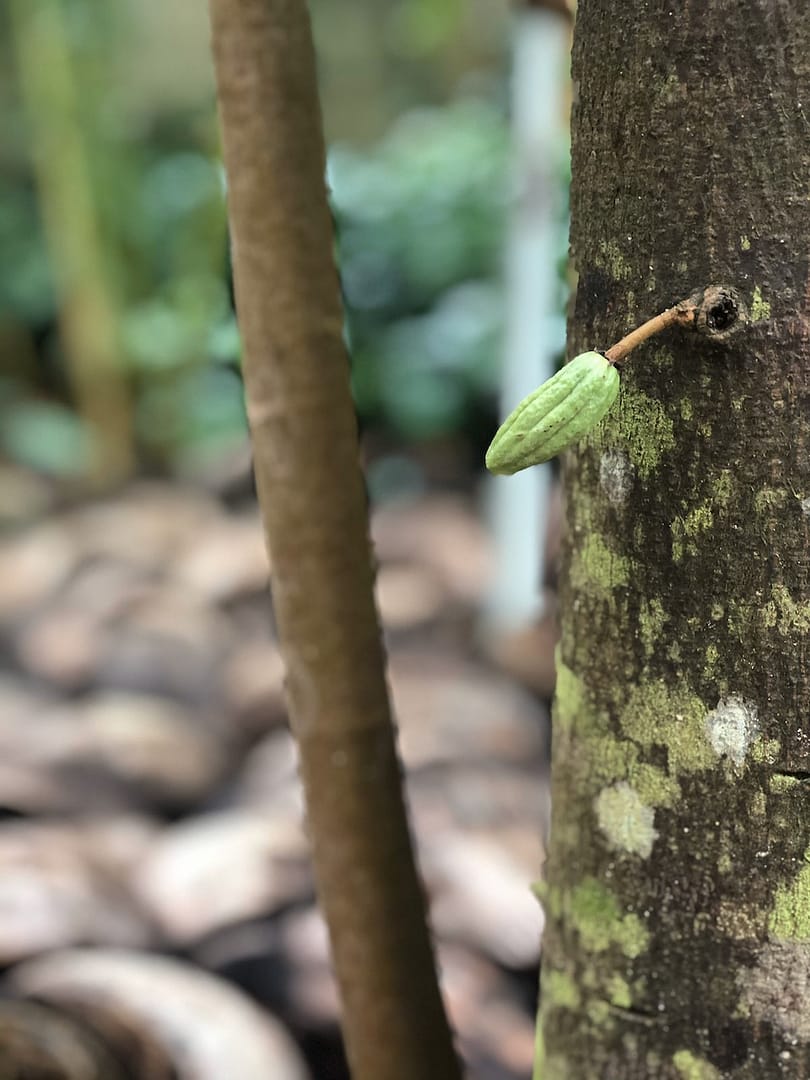
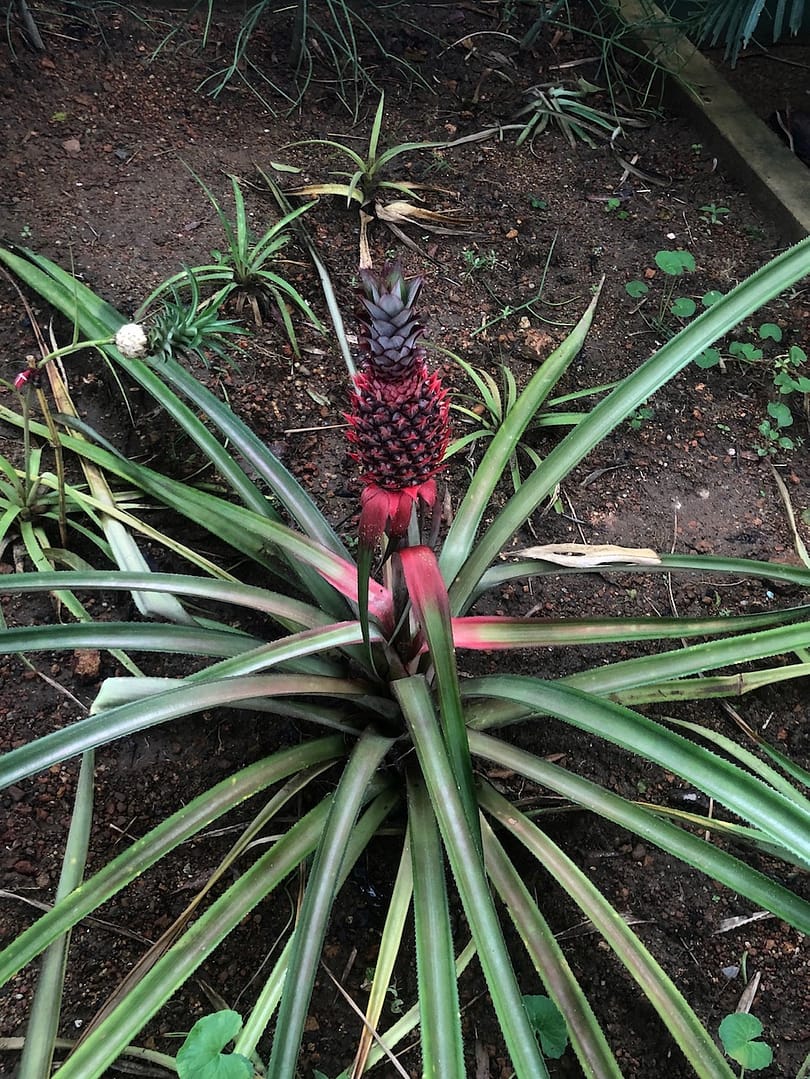
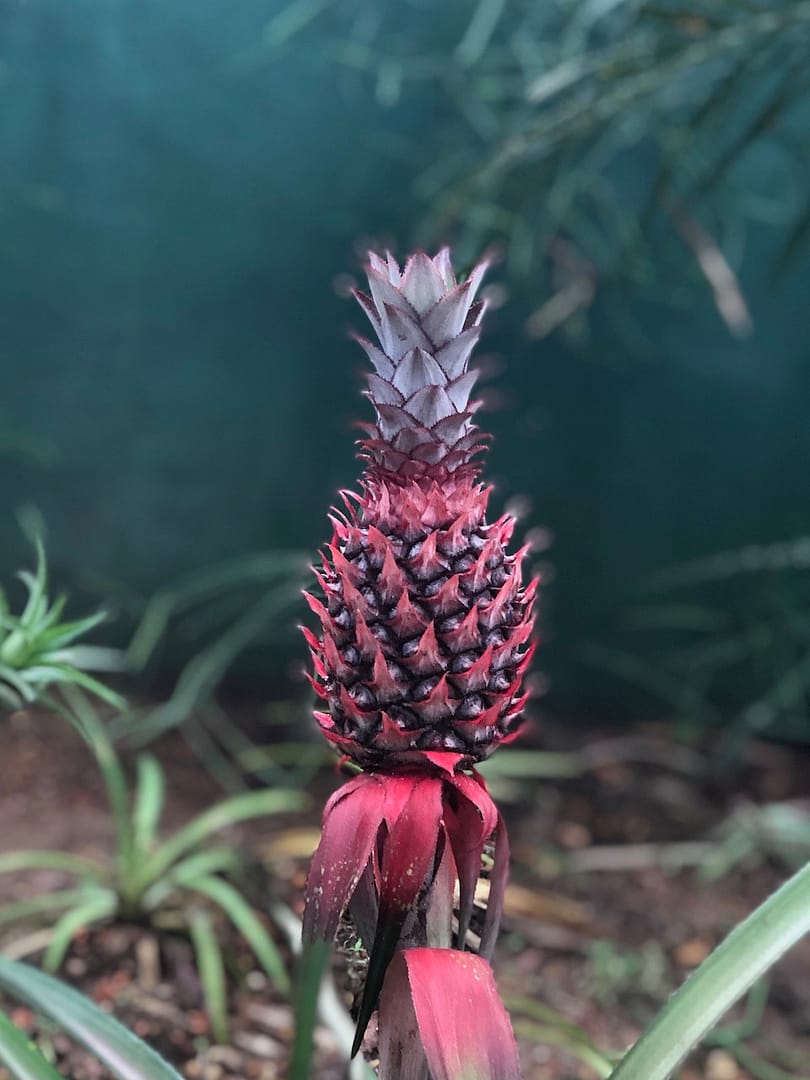
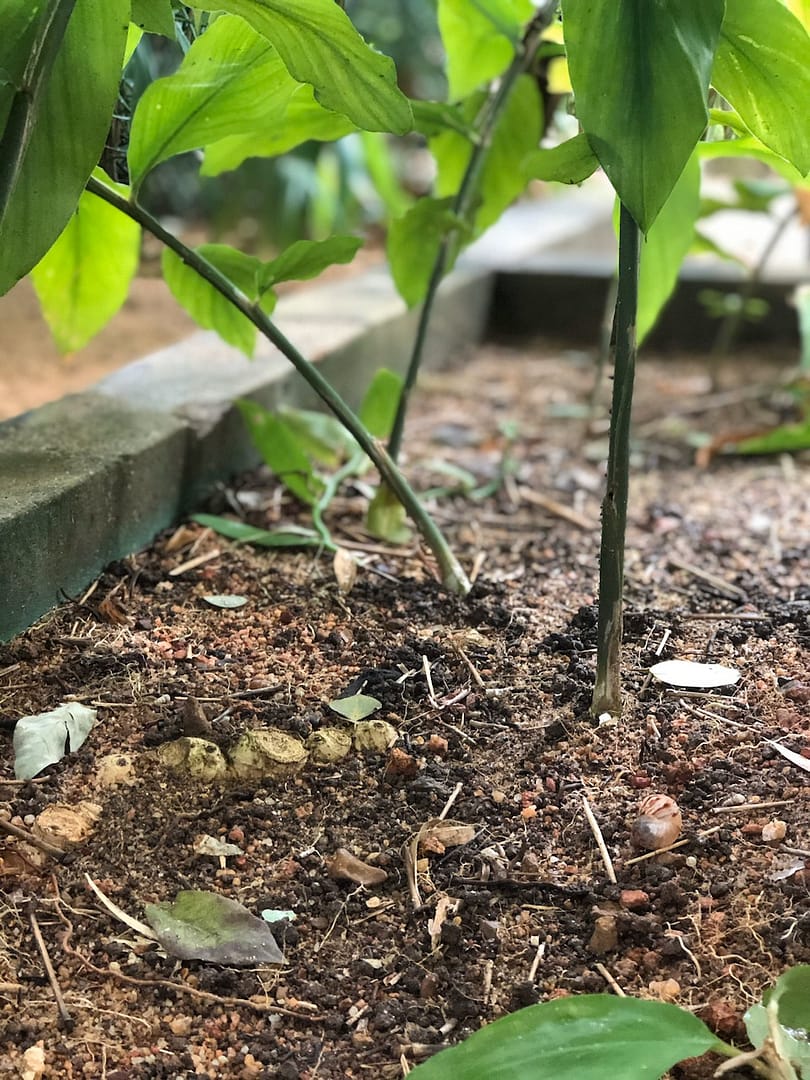
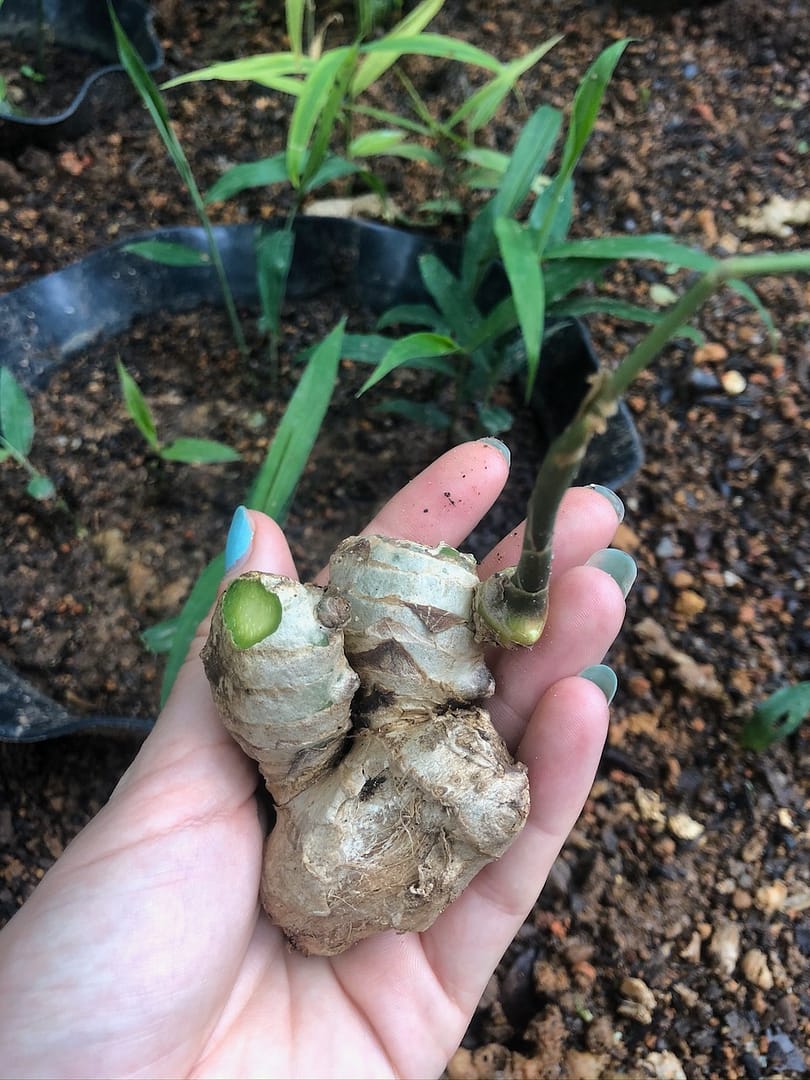
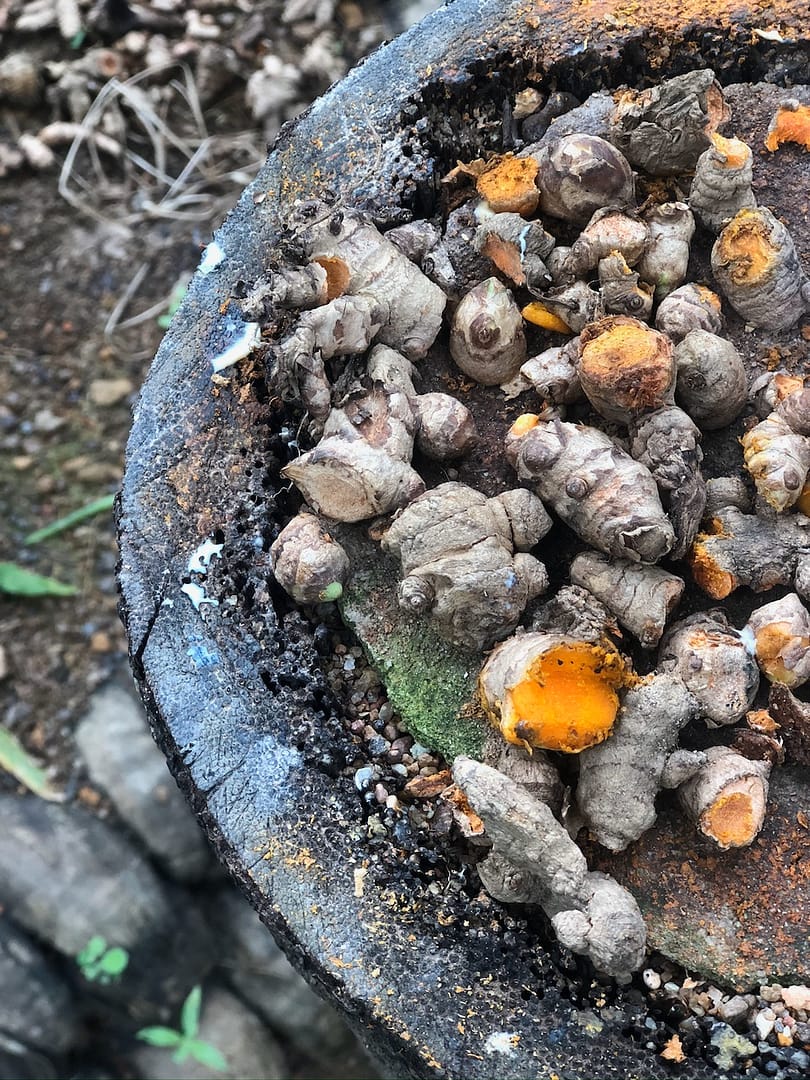
Depending on the garden and season, you may see cinnamon, black pepper, cardamom, nutmeg and mace, cloves, vanilla and a variety of medicinal or aromatic plants.
From Plant to Spice
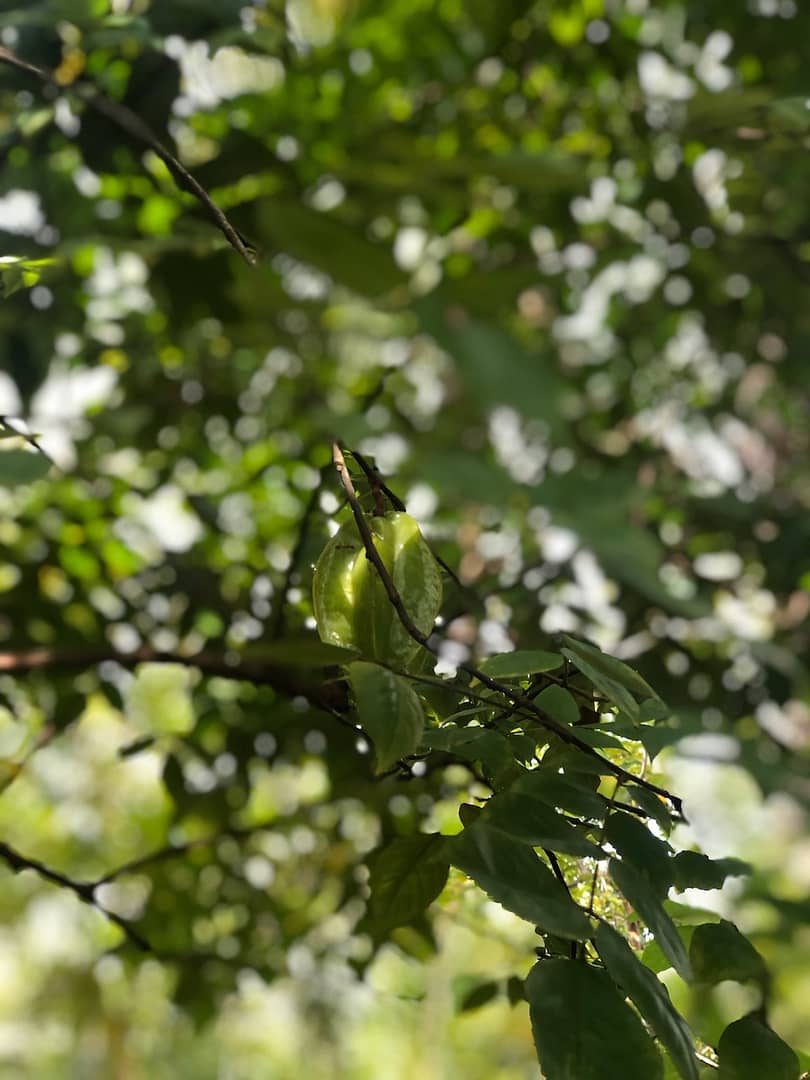
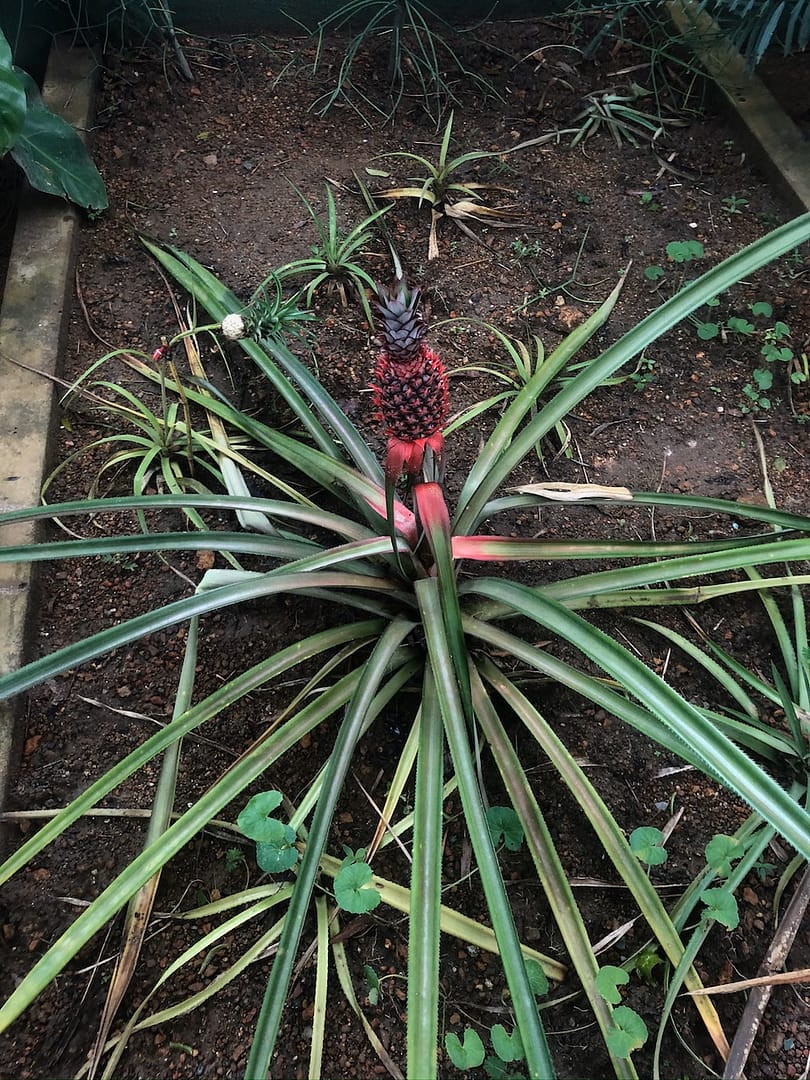
Seeing familiar spices on the living plant is often the most surprising part of the visit. Pepper grows on climbing vines, nutmeg hides inside a fruit with bright red mace around the seed, and cinnamon comes from the inner bark of the tree.
The guide explains harvesting and processing methods and may demonstrate selected products made from the plants. The experience is designed as an introduction to many different spices rather than a visit to a single working crop farm.
Why This Activity Is Special
- See many Sri Lankan spices and herbs growing in one garden
- Learn how familiar spices look before processing
- Discover cinnamon, pepper, cardamom, nutmeg, cloves and more
- Hear about culinary and traditional herbal uses
- Guided tour by a local garden specialist
- Short and easy excursion close to BBC
- Suitable for families, food lovers and curious travellers
- Accompanied throughout by a BBC team member
Traditional Herbal Uses & Products
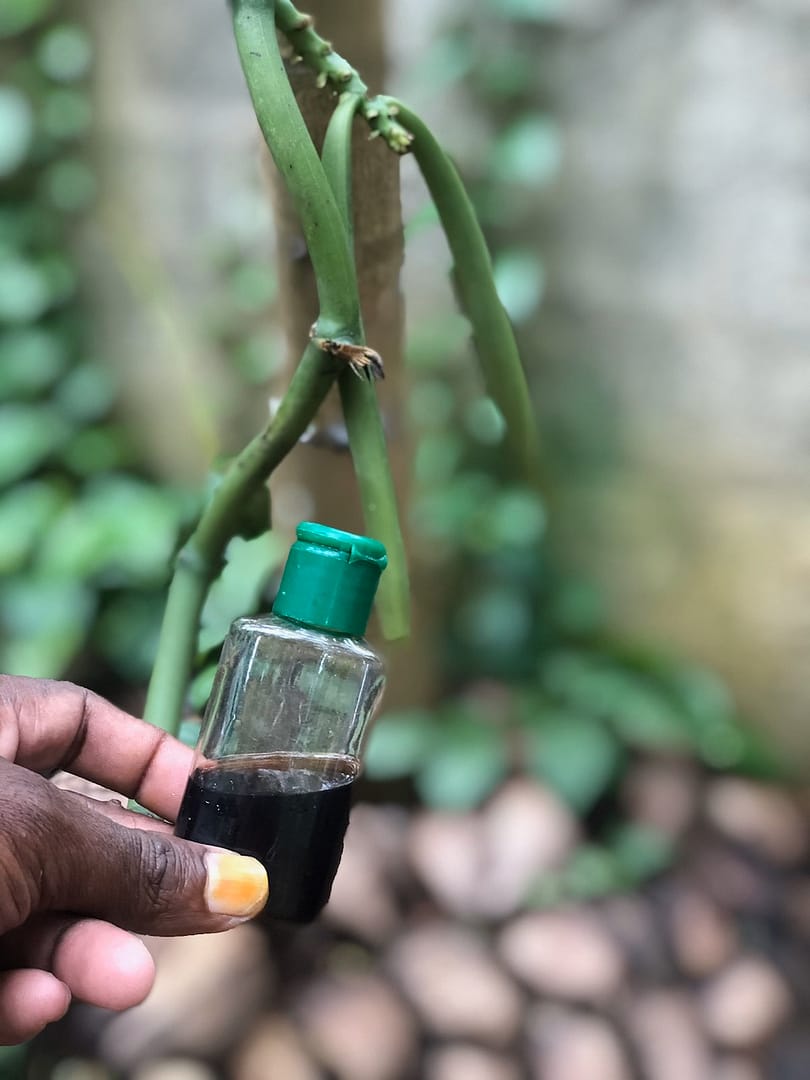
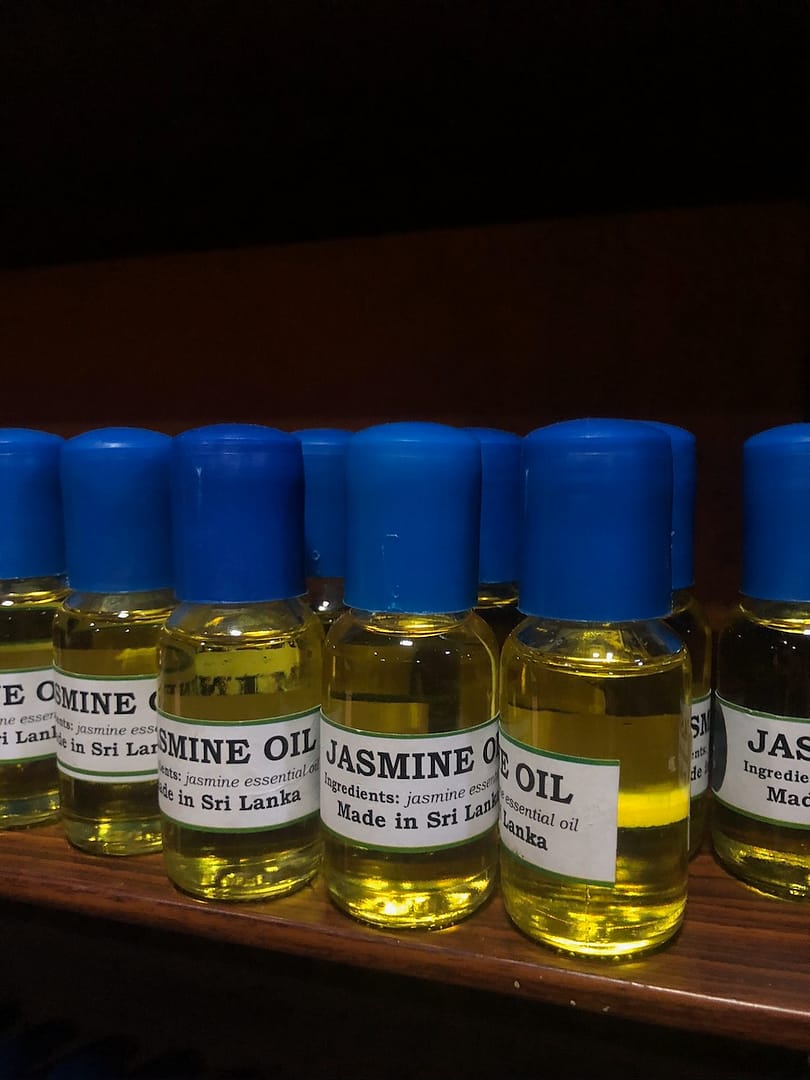
Spice gardens also introduce traditional herbal and Ayurvedic uses of plants, including oils, balms and other preparations. These explanations are part of Sri Lanka’s traditional plant knowledge and are presented as cultural information rather than medical advice.
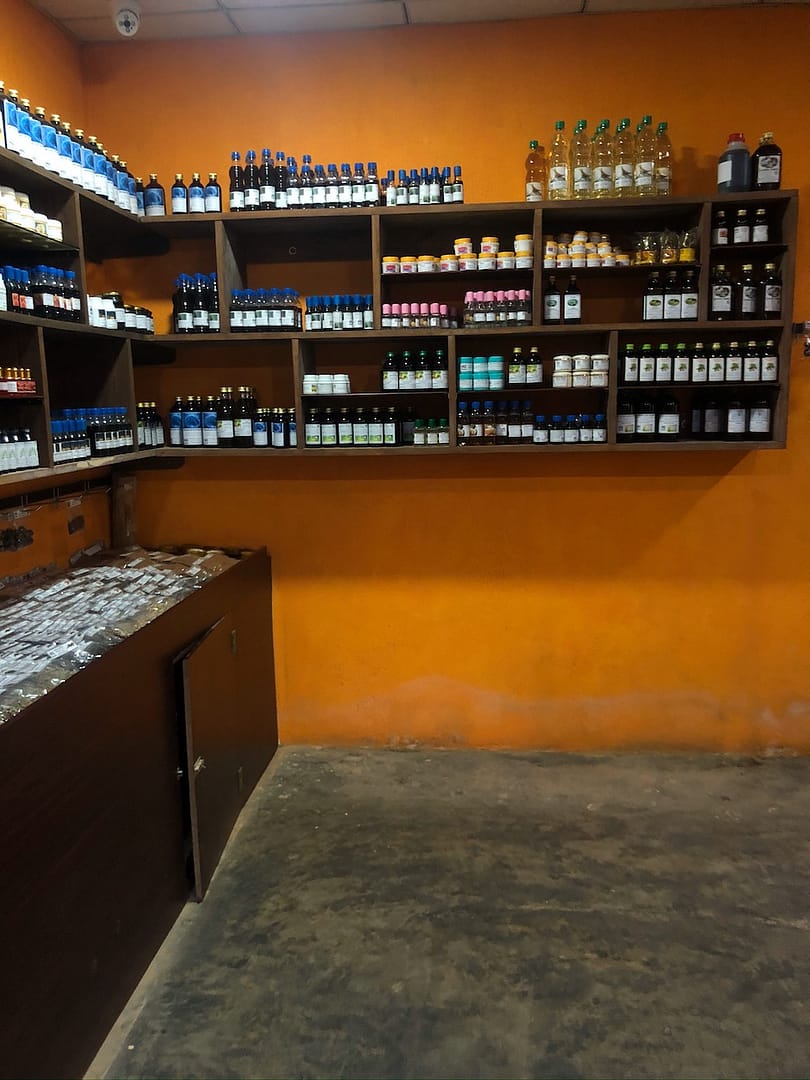
Garden Shop
Most spice gardens have a shop where spices, oils and herbal products are offered after the tour. Buying anything is entirely optional, and you are welcome to enjoy the visit simply as an educational experience.
Practical Details
Duration
Approx. 1.5–2.5 hours total
Travel time
Approx. 10–15 minutes each way from BBC
Time at garden
Approx. 1–2 hours
Location
One of several spice and herbal gardens near BBC
Garden tour
Guided by a local guide from the garden
BBC guidance
Always accompanied by a BBC team member
Transport
Tuk-tuk with BBC team member
Difficulty
Very easy
What to Bring
- Camera or phone
- Light, comfortable clothing
- Comfortable footwear
- Drinking water
- Some cash only if you wish to purchase anything
Good to Know
The gardens are visitor-oriented and the exact plants, demonstrations and products can vary. We select a suitable nearby garden according to the day and current conditions.
Rate & What Is Included
LKR 4,700
per group (1–2 guests)
Includes: BBC TukTuk transport and a BBC team member with you throughout the trip. The garden tour is guided by the garden’s own guide.
Purchases, tips or donations are not included.
How to Join This Activity
Simply speak to our reception or any BBC team member. We arrange the garden, transport and timing and accompany you throughout the excursion.
A colourful introduction to the plants behind Sri Lanka’s famous spices — easy to reach, informative and full of aromas, flavours and new discoveries.